A lesson shaped around your starting point
Your first conversation with me helps establish what you enjoy singing, what experience you bring and what you would like to change. You might be starting from scratch, returning after time away or preparing for an event. None of those starting points requires a finished performance. We can listen to a short example and decide which part of the task would be most useful to explore. Tell me if you would prefer to begin with an explanation or a demonstration. The aim is to make the work understandable and give you something practical to take away.
From a warm-up to a musical phrase
Exercises make more sense when you understand their purpose. Rather than treating a warm-up as a separate hurdle before the interesting music begins, we can connect it with something in a song. A short pattern might help us discuss an entry, a change in pitch or the timing of a phrase. We then return to the music and listen for the difference. Ask what a task is intended to develop and how to approach it between lessons. There is no need to collect a long list of exercises without knowing why you are doing them.
Finding notes and following a melody
When a melody feels uncertain, it helps to identify the precise point where that happens. Is the starting note unfamiliar, does the tune make an unexpected leap, or does the accompaniment make it hard to hear your part? We can explore that question with a small section and compare what you hear with what you intend to sing. Listening and singing work together here. The goal is not merely to repeat an instruction to be more accurate, but to find an explanation and a task that help the musical pattern become clearer.
Timing, phrasing and the lyric
The words of a song give a phrase meaning, while rhythm determines how it sits in the music. We can look at an important word, the beginning of a line or the space before the next entry. Try describing the story of a lyric in your own words, then consider how your delivery communicates that story. Different choices can be effective; musical expression is not a search for one identical version of a performance. Working on a brief passage gives you room to compare choices without becoming distracted by the demands of the entire song.
Developing tone without copying another singer
Favourite recordings are useful references, but they are not instructions to replace your own sound. Tell me what you admire about a singer: perhaps their clarity, the contrast between phrases or the way they hold a listener’s attention. We can use that observation as a musical question and explore it in a way suited to you. Recordings also involve microphones, rooms and production decisions. A lesson gives us time to distinguish an expressive idea from the sound of a finished studio recording, keeping the focus on choices you can understand and develop.
Preparing to perform with confidence
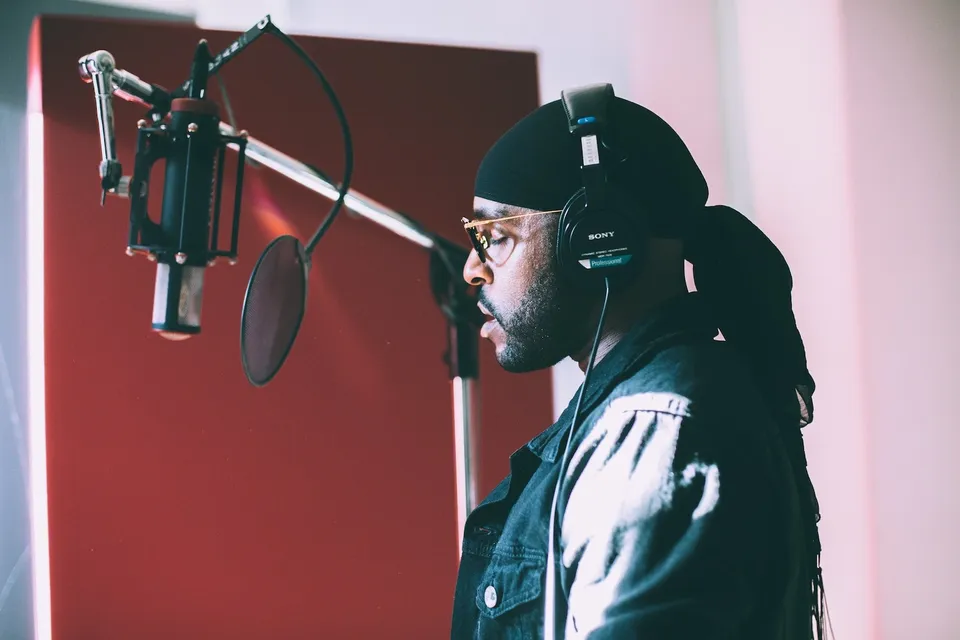
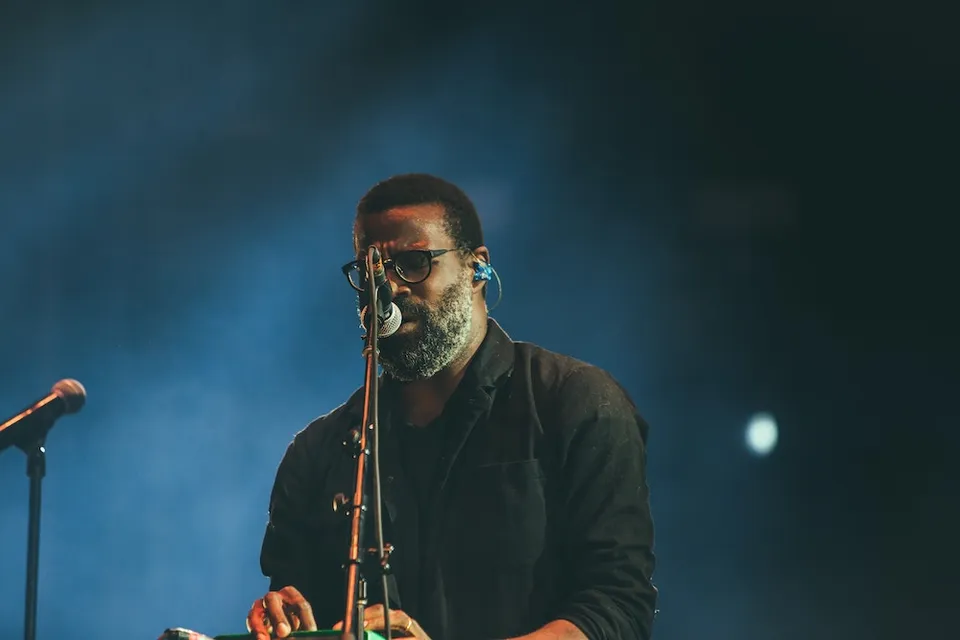
My live and studio background informs lessons for singers who want to perform. Preparation can include knowing how a song begins and ends, using a microphone, communicating the lyric and keeping your place with accompaniment. Tell me whether you are preparing for a band, a choir, an audition or an informal occasion; the practical requirements differ. We can work towards a specific event without promising a particular result. Singing privately for enjoyment is equally valid, and you do not need to agree to public performances in order to take lessons.
Working with children and nervous beginners
I welcome children of all ages and adults who have never taken a singing lesson. A manageable task and a clear explanation can help make an unfamiliar situation less daunting. For a younger learner, we can discuss an appropriate lesson length and how a parent or carer can support practice. For a nervous adult, it may help to explain what concerns you before the first session. There is no requirement to arrive feeling confident. We can use the lesson to discover which approach helps you participate and which questions need more time.
Turning lesson notes into useful practice
Before leaving, check that you can describe the task in your own words. A notebook or tablet can hold the relevant song section, the point to listen for and any question you want to bring back. Work on that section rather than judging every practice attempt as a complete performance. If something remains confusing, make a note of what you tried. That information is useful at the next lesson. Practice is part of an ongoing conversation about your learning, not an examination that you have to pass before returning.
Learn at the Bradford studio
I teach from a specially designed studio at Unit 12, Drumhill House, Clayton Lane, Bradford, BD14 6RF. Confirm your appointment and arrival arrangements before travelling, and mention any access requirements when enquiring. I can provide what a beginner needs for the lesson, so there is no need to buy a microphone before starting. Bring ideas for songs and a way to note useful practice tasks. Ask about any backing tracks before your visit. For a younger learner, discuss the lesson length and attendance arrangements beforehand. The source offer is studio-based; a past recording credit does not imply a separate studio-hire service is available.
Choose enjoyment or a qualification
You can work towards Rockschool vocal exams through Grade 8 or learn for enjoyment. Discuss the current syllabus and entry arrangements before choosing an examination. Individual singing lessons cost £15 for 30 minutes or £25 for an hour. Lessons are pay-as-you-go, weekly, fortnightly or by agreement. Confirm a suitable length, current availability and payment arrangements before booking. Lessons cancelled within 24 hours of the arranged time are charged at the full lesson price. Please contact me as early as possible if you need to cancel or discuss rearranging your appointment. Ask about your first lesson with your musical interests and usual availability.